The strength and the bones to do what you love, for decades.
You walk, you work, you book the holidays and carry your own bags, and you'd describe yourself as fit. You can't feel your bones, and many women never give them a second thought until they trip on a kerb and break a wrist.
Seven questions will show you where your strength, balance and bones need attention first. I'll also send you a three-minute check to do at home the same evening, so you have your own starting point while everything still feels fine.
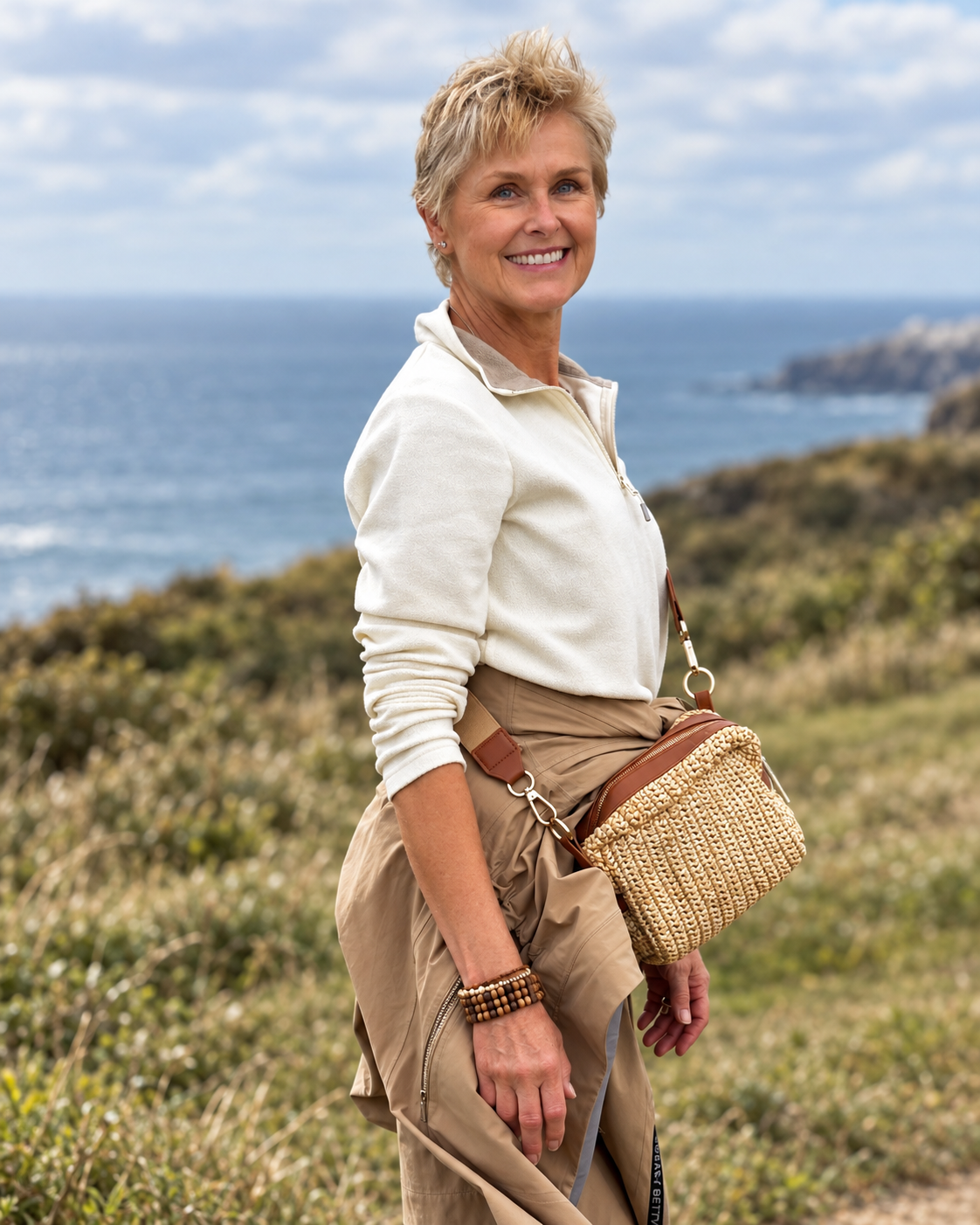
Sarah Clough, movement and longevity coach
- 15 years coaching women in strength, balance and mobility
- Level 3 qualified Pilates teacher
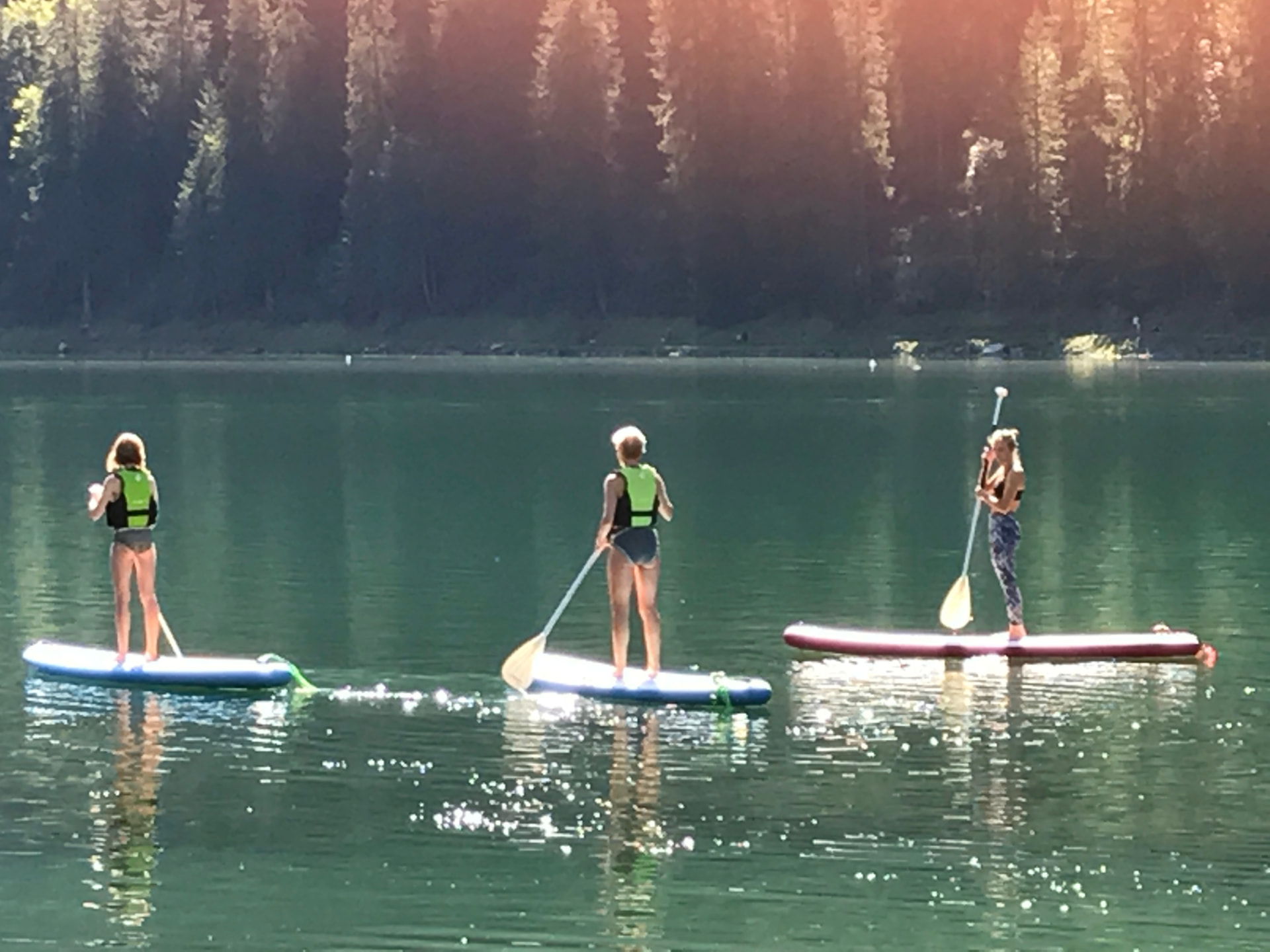
- Found out she had osteoporosis by chance, improved bone density by 4.8%, now in osteopenia range and still rides horses, paddleboards and carries a backpack across mountains
The women who get a scan result they weren't expecting are usually the busy, capable ones
- You walk the dog, go to a class, take vitamin D and calcium and assume that covers your bones.
- The menopause came and went, and nobody mentioned your bones at all.
- You've never had a scan, because nothing hurts and there's never been a reason to ask.
- Your mother lost a little height over the years, and the only place you'd spot your own posture changing is in a photo.
- Your diary has a holiday, a busy week and a garden that needs digging, and you plan to keep it that way.
What you can't feel can still cancel your plans
A missed kerb on holiday, a wet patio, a dog that pulls at the wrong moment. On strong bones that's maybe a bruise and a story for dinner. On bone that has thinned without you knowing, it can mean weeks in plaster, a cancelled trip and relying on others to drive you about.
The Royal Osteoporosis Society estimates that half of women will break a bone because of osteoporosis, and the UK sees more than 500,000 of these breaks a year, around one a minute. Bone is lost fastest in the years after the menopause, which is exactly when most women feel busiest and least likely to think about it.
Your bones respond to the right work, and so do the strength and balance that protect them. The UK's expert guidance on exercise for bone health, Strong, Steady and Straight, says most people should do more rather than less, and the best time to start is while you feel well.
I was teaching movement when I found out
I missed the bottom step running downstairs and jarred my hip. Months later a physiotherapist suggested a DEXA scan, and it came back as osteoporosis. I was teaching movement for a living, I ate well, I felt well, and I was doing what I'd have called all the right things.
Looking back, the cards were stacked before I'd lifted a weight. My mum had osteoporosis, I had my baby later in life than most, and I went straight into an early menopause. I chose none of it, and all of it was on my record for years before anyone suggested a scan.
So I kept the life and changed the work. With the right loading, strength and balance, my spine density went up 4.8% and I'm now in the osteopenia range. That's my result and I can't promise it will be yours, and it's the reason your bones get their own question in this quiz.
Some of it was decided before you had a say
Your bones carry a history you didn't write. A few of the things linked to lower bone density in later life are:
- a mother or grandmother with osteoporosis, or one who broke a bone easily
- an early menopause, since bone is lost fastest once oestrogen falls
- years of dieting, which for many of us meant the cabbage soup weeks, the low-fat everything and whatever the magazines were selling that January
You can't change your family or the year your periods stopped, and that's just a fact. What you can change is how strong you are, how steady you are on your feet and how well you load your bones from here, and those are the parts that respond to work at any stage.
This quiz is movement coaching, not medical advice. If any of these apply to you, it's worth asking your GP whether a bone density scan would be sensible.
What you'll get at the end
Answer seven questions and I'll tell you the one thing I'd start with if you were sitting across the table from me, whether that's your strength, your balance, your bones or the order you're doing things in. I'll leave the rest alone for now, because trying to sort everything at once is how good intentions end up in the cupboard with the resistance bands.
Then I'll email you a three-minute check to do at home that evening, with a kitchen chair and your worktop, so you've got your own starting numbers to look back on. There's no score and nothing to pass, and I'll add one small thing to try this week that fits nicely round boiling the kettle.
"After 15 years of big classes I felt worse after each session and wasn't improving. The Vitality Blueprint's short daily sessions and real support changed everything... Strong enough for the life I love - walks in nature, looking after my horse, walking my dog, swimming."
Caroline D., Vitality Blueprint client
Find out where to begin whilst everything feels fine
Ninety seconds now, and a clear idea of what to work on for the years you've got planned.